
Portrait Retouching and Color Correction
Every professional photoshoot begins with shooting and ends with processing. It’s at the retouching stage that the “draft” from the camera transforms into a finished artistic work.
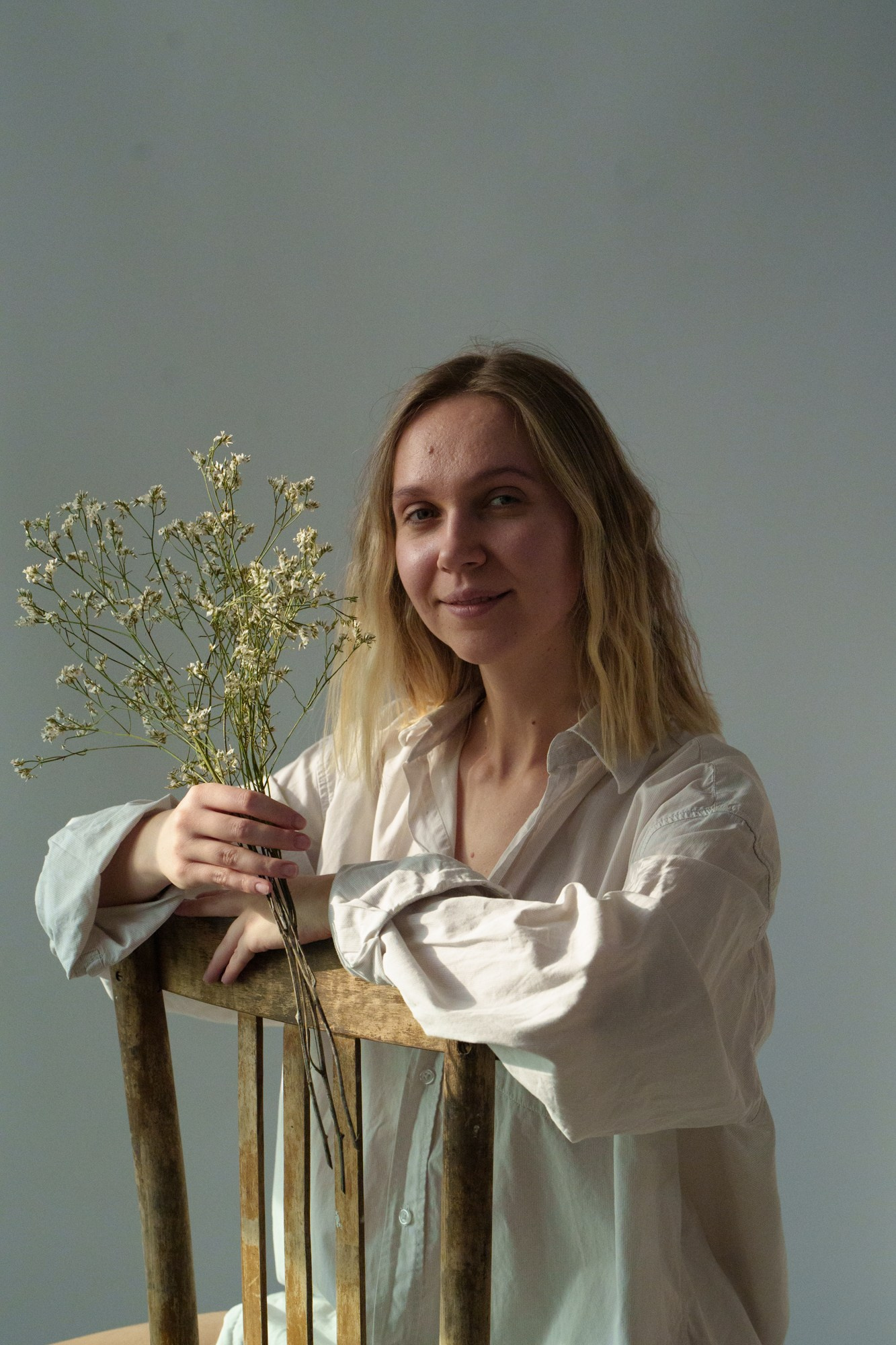
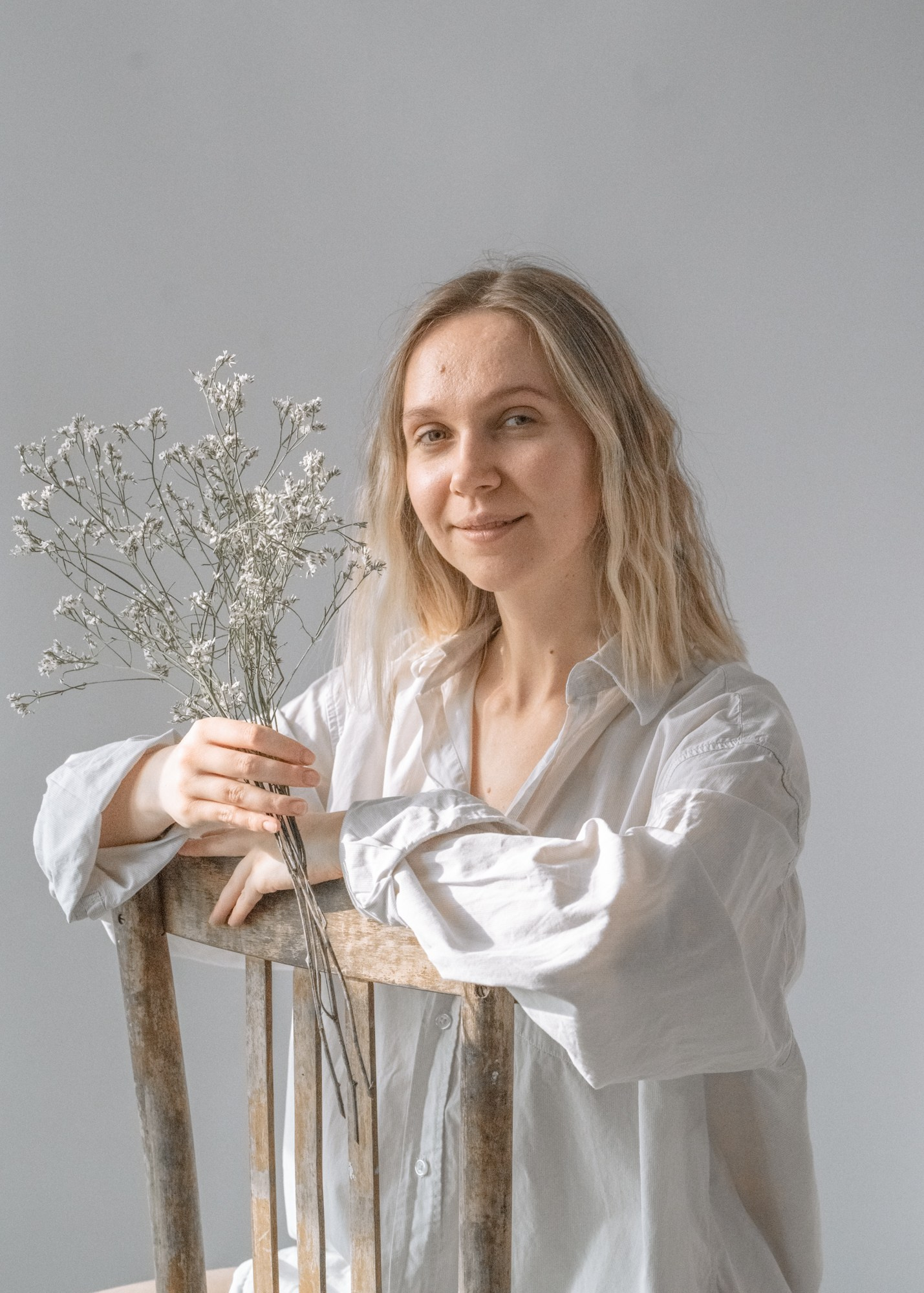
Basic Retouching or Color Correction
After shooting, the camera holds certain “drafts” — these are the photos as the camera captured them. Usually, they look darker and noisier. The frame contains exactly the image data that the camera sensor captured. I never give away raw files (with exceptions if we agree beforehand), because a raw file is a “preparation.” To use it, it needs to be refined.
Here’s a clear example: on the left, you see the raw file, and on the right, the result after I worked on color and cropped the frame, which is included in all my service packages. Color correction is essentially playing with brightness and shades, and cropping is about where the image begins and ends.
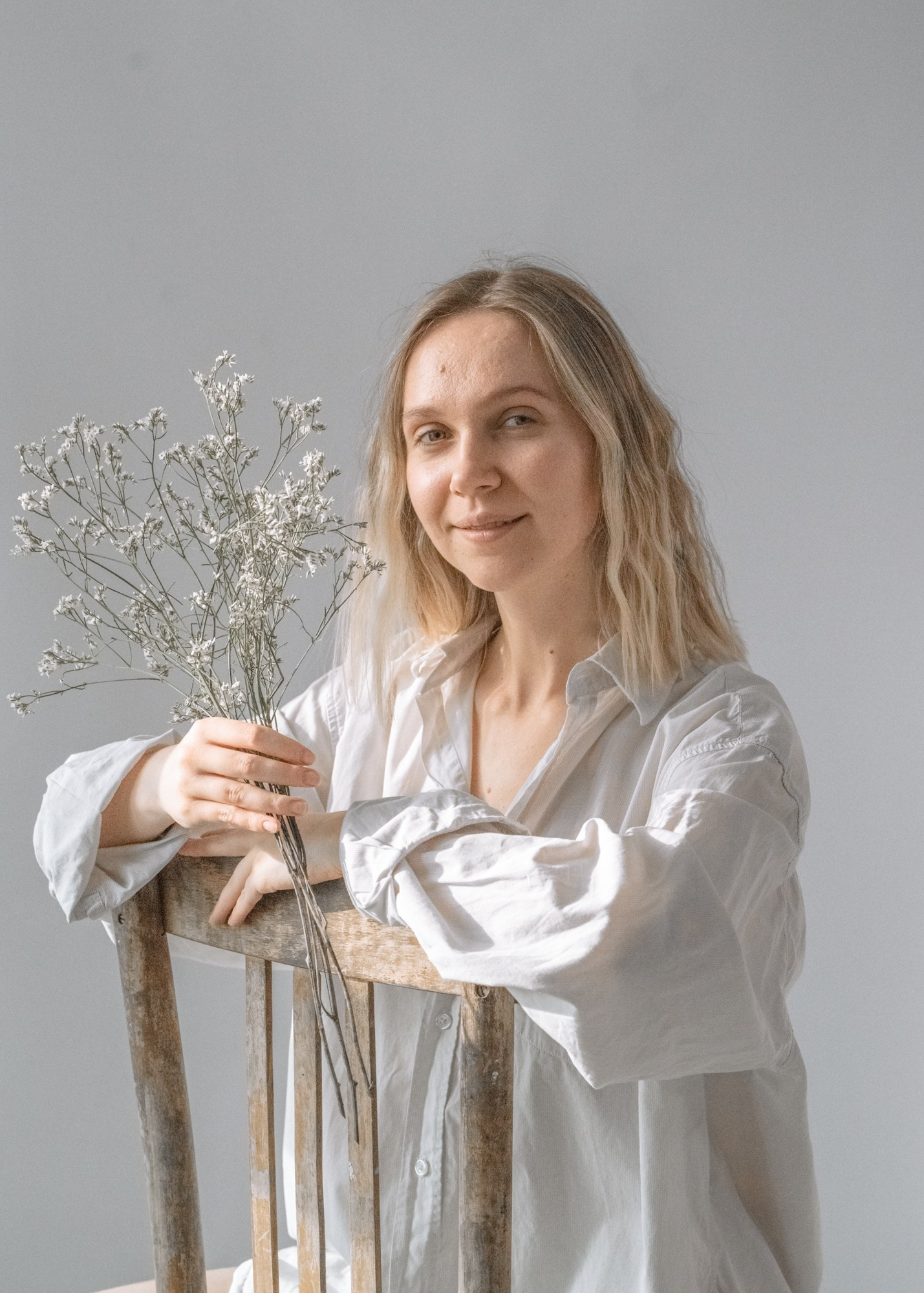
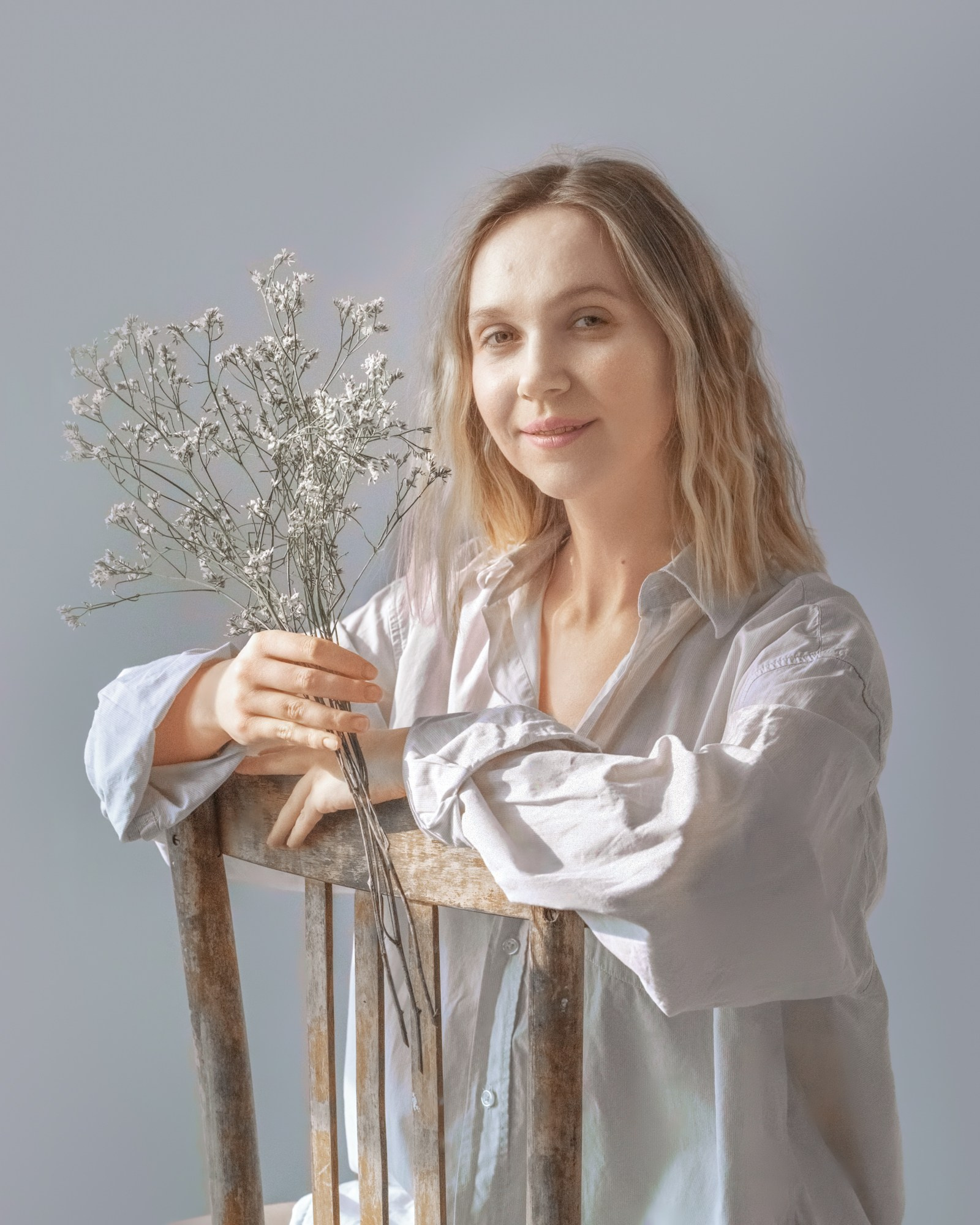
Artistic Retouching
Retouching involves meticulous refinement of photos, giving them a perfect appearance. Please note that retouching services are not included in the “Light” package but can be ordered additionally for any number of chosen images at 400 rubles per photo. In the example shown, you can see how an image with basic retouching (color correction) transforms into a retouched one. Retouching allows you to:
- Remove skin imperfections and make eyes brighter;
- Smooth out unwanted skin shine;
- Adjust body parameters: visually make a person slimmer, taller, correct leg lines, enhance foot arches;
- Slightly modify the hairstyle;
- Clean the background of unwanted objects, dust, and spots;
- Modify clothing, textures, and outfit silhouettes.
Each of these elements helps create an ideal visual image.
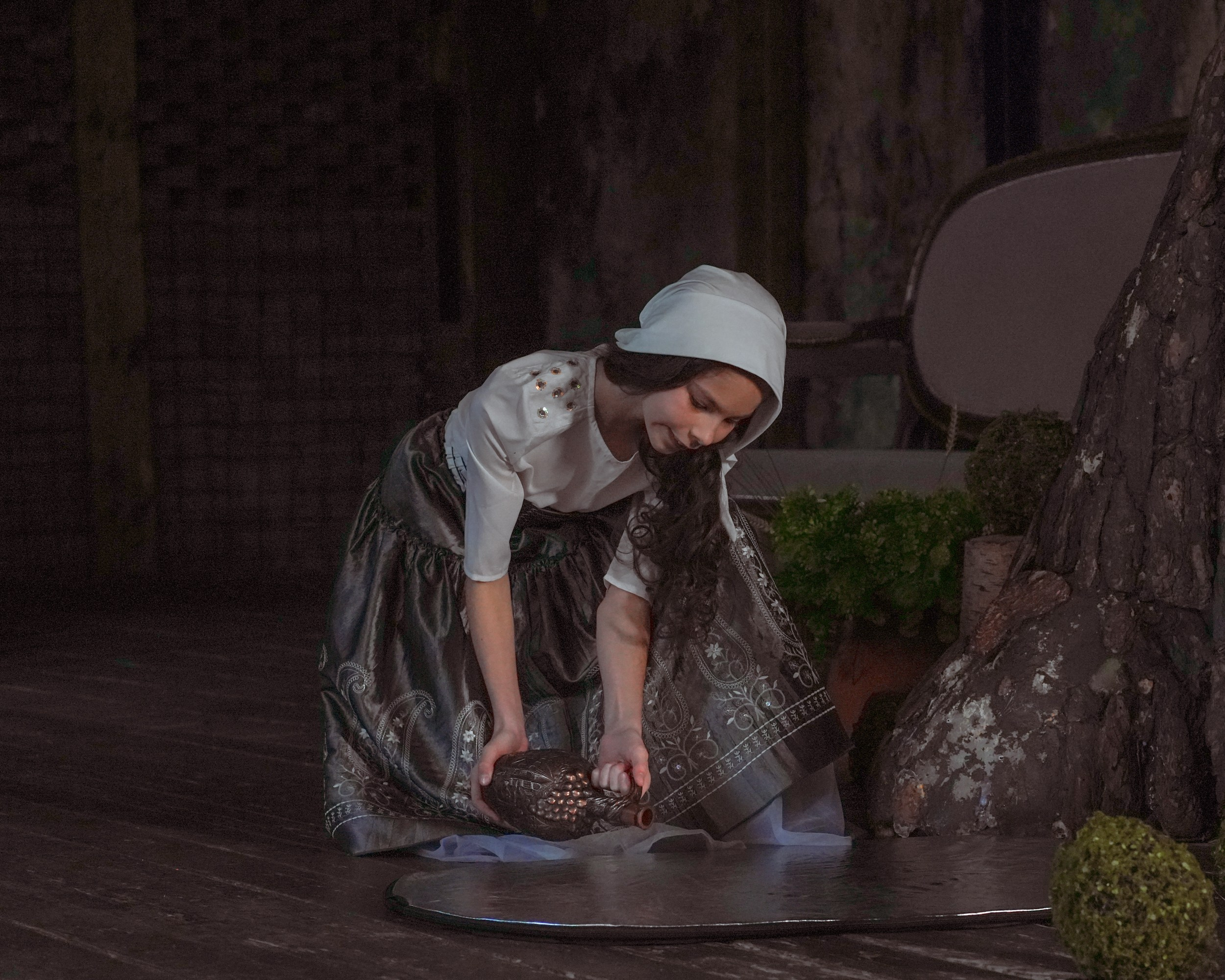
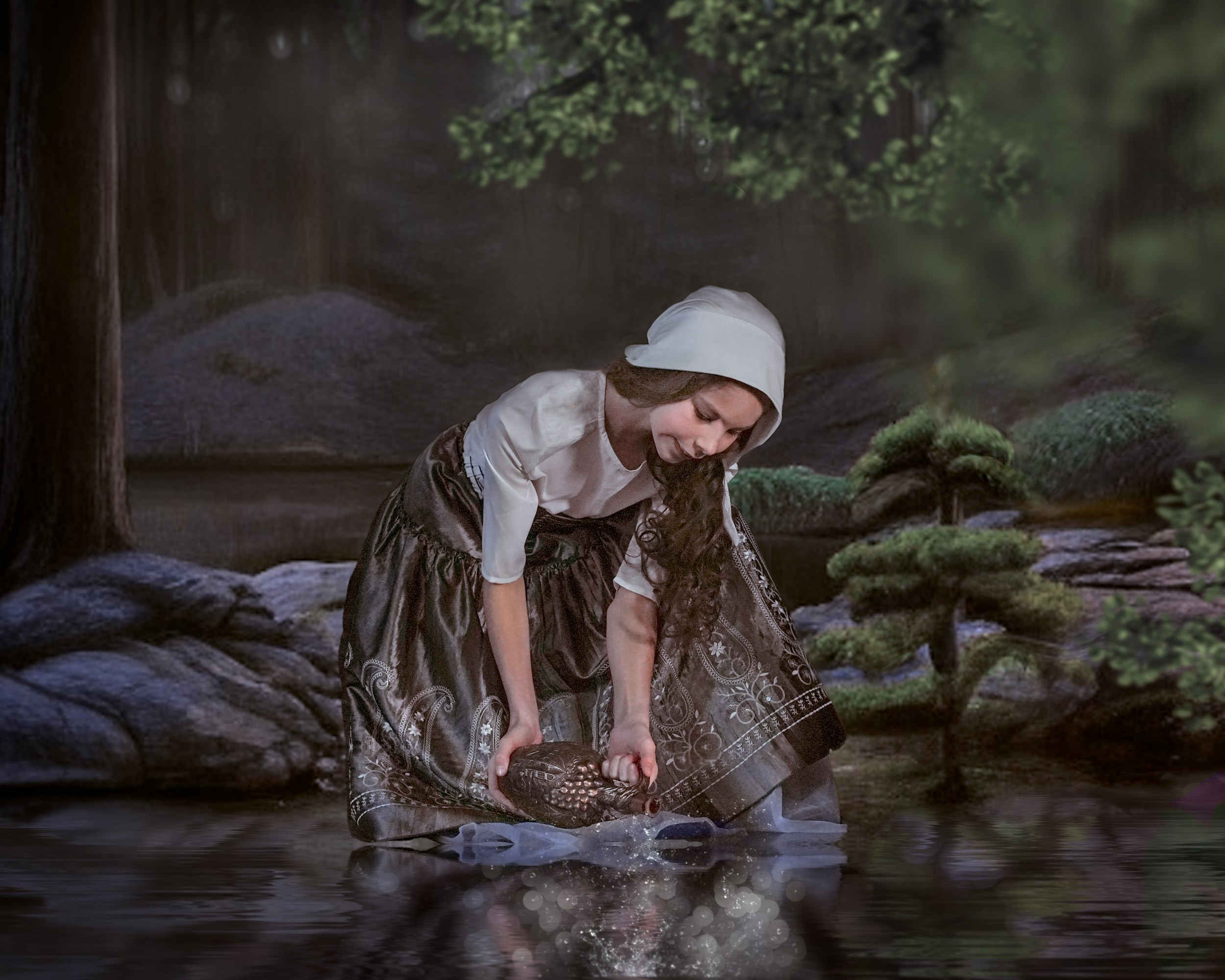
FINE ART Retouching
Fine Art photography is a genre that focuses on artistic expression and conceptual ideas, rather than documentary or reportage tasks. In this direction, photographers use technique and post-processing to create visually appealing images, often employing complex editing methods to convey their emotions and ideas. Fine Art photography requires a high degree of skill both in the shooting process itself and in subsequent processing, striving to create unique works of art.
The processing involves aspects such as:
- Background: I usually use muted textures and colors to avoid distracting from the model. Almost always, the background is changed or replaced during processing. This is very labor-intensive work.
- Model’s Image: Clothing in neutral shades without bright patterns, often matching the background color. However, for thematic folklore shoots, patterns are, on the contrary, an important part of the work.
- Clothing Elements: Elements of clothing, as well as furniture and setting items, usually also undergo changes during Fine Art retouching.
- Skin Processing: Fine Art skin retouching is characterized by minimalism, preserving the model’s unique features. Makeup in this style is almost invisible, perhaps just a light touch of mascara. In the works of old masters, models are depicted without makeup. Removing skin imperfections and uneven color tones is a complex task, and the retouching must be as natural and unnoticeable as possible.
- Toning: A very important part of Fine Art photography work. It’s necessary to harmoniously blend all color shades, lights, and shadows so that the photo resembles a painting created by an artist. This often requires fine adjustments to the colors of clothing, background, hair, and the skin of the model (s) in the photo.